

CG Policy · 2025
In this section7 topics
Corporate Governance Policy
Has a Corporate Governance Policy
Yes
Policy Description
Corporate Governance Policy
The Company recognizes the importance of good corporate governance, which is a crucial factor in building organizational stability and sustainable growth, alongside achieving strong long-term performance. The Company is committed to conducting business strictly within the framework of relevant laws, rules, regulations, and requirements, while also striving to enhance a management system that is transparent, auditable, and trustworthy to all stakeholder groups.
The Company has established a written Corporate Governance Policy to serve as a framework and guideline for governing and managing the organization in accordance with best practices for listed companies. This policy applies to directors, executives, and employees at all levels of the Company and has been reviewed and approved by the Board of Directors.
The Company reviews its Corporate Governance Policy at least once a year to ensure its suitability and alignment with good corporate governance principles, as well as changes in relevant laws, rules, regulations, and practices. The Company communicates this policy to directors, executives, and employees at all levels through the Drive Share system. of Microsoft Teams and the Company's website to ensure convenient and widespread access to information.
The Company's Corporate Governance Policy and Guidelines consist of 8 principles, which are in line with the framework of the Corporate Governance Code (CG Code). of the Securities and Exchange Commission, with the following detailed principles:
Principle 1: Recognize the role and responsibility of the Board of Directors as organizational leaders who create sustainable value for the business.
1.1 The Company clearly defines the roles and responsibilities of the Board of Directors in the Board Charter. Key duties include setting the Company's vision, mission, and values, as well as considering and approving strategic plans, operational directions, goals, and policies, and allocating various resources. The Board understands its roles, benefits, and the principles of good corporate governance in creating sustainable value for the business, and will monitor, evaluate, and oversee the reporting of the Company's performance to ensure it aligns with objectives and goals.
1.2 The Board of Directors will oversee the Company's operations to ensure business is conducted under relevant laws and regulations, and in accordance with established goals and plans. This involves assessing the Company's operational conditions based on internal and external factors that may affect the organization, analyzing business trends, and considering ethics, social, and environmental impacts, so that the Company can adjust its policies or strategies to align with changing environments.
1.3 The Company clearly defines the duties and responsibilities of sub-committees, including those of the Chairman, to ensure that directors and executives perform their duties with responsibility, diligence, and integrity. It also oversees the Company's operations to comply with relevant laws, regulations, Board resolutions, shareholder resolutions, and various Company policies.
Principle 2: Define the primary objectives and goals of the business for sustainability.
2.1 The Board of Directors will jointly define the organization's primary objectives and goals for sustainable business growth. These objectives and goals will align with creating value and benefiting the organization, customers, partners, employees, shareholders, stakeholders, and society as a whole. The Board focuses on promoting the integration of the organization's primary objectives and goals into the decision-making and operational processes of personnel at all levels, thereby fostering a corporate culture based on good corporate governance principles.
2.2 The Board of Directors will jointly define medium-term and annual strategies and plans that align with the primary objectives and goals, considering various factors such as economic and environmental conditions, the needs of clients and stakeholders, readiness, expertise, and market competitiveness, as well as assessing various risk factors to enable the Company to adapt to changing circumstances (Corporate resilience).
2.3 The Board of Directors will jointly and regularly monitor and evaluate past performance to ensure that operations are aligned and can efficiently and effectively achieve the organization's primary objectives and goals. Technology will be appropriately utilized to support management, based on safety and responsibility towards society and the environment. Furthermore, the Board recognizes the risks of setting goals that could lead to illegal or unethical conduct, and oversees the communication of objectives and goals through the organization's strategies and plans to promote ethics and virtues in business operations. Principle 3.
Principle 3: Enhance an effective Board of Directors.
3.1 The Company's Board of Directors comprises individuals with knowledge, abilities, expertise, and experience capable of performing duties to lead the organization in achieving its stated objectives and main goals. The Company's directors possess qualifications and are free from prohibited characteristics as stipulated by law. The Board of Directors has the duty and responsibility to define and review the Board's structure, including its size, composition, and appropriate proportion of independent directors.
3.2 The Board of Directors comprises at least one-third of all directors as independent directors, and no fewer than 3 individuals. They must possess qualifications and be free from prohibited characteristics as stipulated by the Securities and Exchange Act or by the criteria set by the SEC, and must not exhibit characteristics indicating a lack of suitability to be entrusted with managing a public company as defined by the SEC (as per SEC Board Notification No. GorJor. 3/2560 on the definition of characteristics indicating a lack of trustworthiness for directors and executives of companies). Currently, the Board of Directors consists of independent directors and executive directors, with independent directors making up at least one-third to ensure appropriate checks and balances. Management is transparent, supporting and promoting good corporate governance within the Company. Furthermore, the Company has appointed sub-committees to assist the Board in management within the scope specified in each committee's charter, to enhance the efficiency and effectiveness of the Board's operations.
3.3 The Board of Directors will appoint a suitable person as Chairman. The Board has appointed a Nomination and Remuneration Committee to support the selection of qualified directors through a transparent and clear process, and to ensure that the composition and operations of the Board facilitate independent decision-making.
3.4 When proposing director remuneration for shareholder approval, the Board of Directors will consider a remuneration structure and rate appropriate to the directors' experience, roles, duties, and responsibilities to the organization, to incentivize the Board to lead the organization in achieving both short-term and long-term goals. Director remuneration will be in accordance with the principles and policies set by the Board within the framework approved by shareholders.
3.5 The Board of Directors will oversee that all directors are responsible in performing their duties and allocate sufficient time, and will ensure the disclosure of the roles and responsibilities of the Board and sub-committees, the number of meetings held, as well as the attendance of each director at meetings in the past year, and the performance reports of all sub-committees.
3.6 The Company recognizes the importance of its personnel, who are key factors in driving business operations to achieve strategies and goals. The Company has established policies and guidelines to continuously promote the development of personnel at all levels. The Board of Directors will oversee that each director possesses knowledge and understanding of their roles, the nature of the business, and relevant business laws, as well as support all directors in continuously enhancing their skills and knowledge for performing their duties.
3.7 The Board of Directors will conduct an annual self-assessment of its performance, adapting the performance evaluation form from the Stock Exchange of Thailand to suit the Company. This allows the Board to review its performance, identify obstacles in its work, and utilize the evaluation results for future duties.
3.8 The Board of Directors will oversee to ensure that the Board's operations proceed smoothly and will arrange for a Company Secretary with the necessary and appropriate knowledge and experience to support the Board's operations, coordinate compliance with Board resolutions, and manage Board and shareholder meetings.
Principle 4: Recruit and develop senior executives and manage personnel.
4.1 The Board of Directors assigns the Nomination and Remuneration Committee to consider the criteria and methods for selecting suitable candidates for the position of Chairman, and has also defined the qualifications for directors and senior executives. This is to ensure that the Company recruits directors and senior executives with appropriate qualifications, an understanding of the shareholder structure and relationships that may affect management, and sufficient experience, knowledge, and expertise in the Company's business operations to drive the organization towards its goals. Furthermore, the Board of Directors emphasizes continuous and sustainable business operations, and has therefore established a Succession Plan for key positions within the Company to ensure continuity in management for executive-level personnel, as specified in the Succession Planning Policy.
4.2 The Board of Directors has established a remuneration structure for directors and executives, as well as performance evaluations appropriate to the scope of their assigned duties. The Nomination and Remuneration Committee assists in overseeing compliance with the Human Resources Management Policy. Directors will receive remuneration in the form of meeting allowances, quarterly (or monthly) remuneration, and may also receive bonuses. Executive directors will receive salaries, remuneration, and bonuses, which are determined based on the Company's performance and the Board's performance evaluation results, as well as the Human Resources Department's performance evaluation guidelines, as stipulated in the Company's Board Charter.
4.3 In terms of personnel development, the Board of Directors will monitor the management and development of personnel to ensure they possess appropriate knowledge, skills, experience, and motivation, enabling them to effectively manage the organization in accordance with good corporate governance policies and continuously improve performance.
Principle 5 : Promote innovation and responsible business operations.
5.1 The Board of Directors will oversee and monitor management to prepare an operational plan that aligns with the organization's objectives, main goals, and strategies, and to ensure that the Company conducts business while creating benefits for all relevant stakeholders and demonstrating social and environmental responsibility. The Board recognizes the importance of stakeholders' roles and treats all stakeholder groups transparently, appropriately, equally, and fairly, as follows:
Shareholders The Company's policy is to conduct business with integrity and ethics, and to make its utmost effort to develop the business for growth and to generate good returns for shareholders continuously and sustainably, adhering to the principle of treating all shareholders equally.
Employees Provide remuneration to employees based on fair and measurable performance criteria under established guidelines, and continuously promote and develop personnel's knowledge and abilities. Furthermore, the Company highly regards employee rights and provides opportunities for employees to file complaints through various channels in cases of unfair treatment.
Customers Build long-term relationships and cooperation with customers based on principles of integrity.
Trust and reliability. The Company is responsible for maximizing customer satisfaction by being accountable and prioritizing customer problems and needs, adhering to ethical principles and providing good, efficient service.
Creditors Build relationships and treat creditors based on principles of integrity, trust, and reliability, and be responsible for and prioritize the terms and conditions agreed upon with creditors to the best of its ability.
Business Partners Treat business partners with integrity and equality to ensure fair business practices, mutual benefit, sustainable development, and long-term partnerships with the Company. Business partners are selected based on various criteria such as price, quality, trustworthiness, adherence to ethical principles, as well as technical expertise, legal compliance, and environmental protection.
Community and Environment Ensure the Company and its employees conduct business responsibly and beneficially for society and the community, and have a duty to treat neighboring communities in a friendly manner, providing assistance and supporting community development for a better quality of life, without creating or causing negative environmental impacts.
Fair competition Ensure the Company conducts business openly, transparently, and does not create unfair competitive advantages.
Relevant government agencies Ensure the Company complies with relevant laws and regulations and treats government and various state agencies impartially as stipulated in the Code of Conduct and the Anti-Corruption Policy.
5.2 The Board of Directors will oversee that management allocates and manages resources efficiently and effectively, and develops resources throughout the Value Chain in accordance with the established human resource development policy. This is to ensure that the Company achieves its primary objectives and goals sustainably.
5.3 The Board of Directors will oversee that the Company manages its enterprise-level information technology systems in alignment with the Company's needs and promotes the development of IT systems for management and operational improvement. This includes establishing a policy framework for IT risk management to ensure data security, maintain data reliability and availability, comply with various laws, regulations, and rules related to IT usage, and manage business continuity (Business Continuity Management).
Principle 6 : Ensure appropriate risk management and internal control systems are in place.
6.1 The Board of Directors will oversee to ensure that the Company has an effective risk management and internal control system to achieve its objectives and complies with relevant laws and standards. The Board has appointed an Audit Committee, all members of whom must be independent directors and free from prohibited characteristics under relevant laws, and must possess qualifications and duties in accordance with the criteria of the SEC and the Stock Exchange of Thailand, to perform their duties efficiently and independently. Their responsibilities include reviewing financial reports, internal control systems, legal compliance, selecting auditors, providing opinions on the necessity and appropriateness of connected transactions with persons who may have conflicts of interest or stakes, as well as overseeing data security and management systems that may affect the Company's credibility and business operations. Furthermore, the Board has appointed a Risk Management Committee to support the Board in overseeing the risk management system as defined in the Risk Management Policy.
6.2 To ensure that the Board of Directors can effectively oversee the risk management and internal control systems, the Board has established various related policies to assist in governance, as follows:
Business Ethics and Code of Conduct
Risk Management Policy
Conflict of Interest Policy
Policy on Connected Transactions of the Company
Anti-Corruption Policy
Whistleblowing and Complaint Policy
Social and Environmental Responsibility Policy
Policy on preventing and managing the use of the company's internal information for personal gain
Authority for Approval and Operations (Delegation of Authority)
6.3 The Board of Directors has communicated the Anti-Corruption Policy to executives and employees at all levels of the organization and to external parties to ensure its implementation. This includes overseeing mechanisms for receiving complaints and handling cases of complaints or whistleblowing, and establishing clear guidelines in the Whistleblowing and Complaint Policy. This policy includes provisions for reporting, investigation, ethical violations, receiving complaints of corruption and misconduct. In cases where stakeholders have observations regarding the Company's operations, they can inquire for details, file complaints, or report legal violations, inaccuracies in financial reports, deficient internal control systems, or business ethical breaches through independent directors or the Company's audit committee. All complaint and whistleblowing information submitted to the Company will be kept confidential. Independent directors, audit committee members, or the Chief Executive Officer will instruct assigned personnel to investigate the information and find solutions (if any), and report to the Chief Executive Officer and/or the Board of Directors. The Company provides channels for receiving complaints and/or feedback, and has added a direct email channel to senior executives.
Principle 7 : Maintain financial credibility and information disclosure.
7.1 The Board of Directors will oversee the preparation of accurate, sufficient, and timely financial reports and material information disclosures in accordance with relevant rules, standards, and practices. This includes monitoring the adequacy of financial liquidity and debt repayment capability. The Board assigns the Company's Accounting and Finance Department and Management to jointly assess the financial status of the business. If the business faces financial problems or is likely to face them, the Company has a plan and mechanisms to resolve these financial issues to ensure continuous business operations.
7.2 The Company has appointed an Investor Relations officer to communicate and disseminate useful information to shareholders, investors, analysts, and other relevant parties appropriately, equally, and in a timely manner. This officer also assists in overseeing the disclosure of Company information according to the criteria set by the Securities and Exchange Commission, the Stock Exchange of Thailand, and other relevant agencies in annual registration statements, annual reports, and on the Company's website, among others. This includes important information affecting the Company's stock price, which impacts the decision-making process of investors and stakeholders, ensuring accuracy, avoiding misleading statements, and providing sufficient information for investor decisions.
Principle 8: Support shareholder participation and communication.
8.1 The Board of Directors places importance on the Company's shareholders by overseeing operations to ensure that shareholders are treated equally and can fully exercise their fundamental rights as shareholders, as follows:
Establishing criteria for minority shareholders to add agenda items in advance of the shareholder meeting. The Board will consider including proposed items from shareholders on the agenda. If the Board rejects a shareholder's proposed agenda item, the Board must inform the meeting of the reasons.
Establishing criteria for minority shareholders regarding the appointment or removal of directors, the consideration of director remuneration, the appointment of auditors, dividend payments, capital increases, and new share issuance, as well as the right to question the Board of Directors concerning Board reports and any other matters presented to the meeting for consideration and approval.
The Board of Directors recognizes and prioritizes shareholder rights, and will not take any actions that violate or infringe upon these rights. It will ensure that shareholders participate in important Company decisions and will oversee that shareholder meetings are conducted smoothly, transparently, efficiently, and enable shareholders to exercise their rights, including ensuring accurate and complete disclosure of shareholder meeting resolutions and minutes.
8.2 The Board of Directors will ensure the disclosure of financial and other information and data related to the Company's business and performance that is factual, complete, sufficient, consistent, and timely, and accurately reflects the Company's operational and financial status, as well as its business future. This will be done in strict compliance with laws, regulations, and rules related to information disclosure by the SEC and the Stock Exchange of Thailand. In addition to disclosing information as required by the SEC and the Stock Exchange of Thailand, the Company will communicate with shareholders and investors through other channels, including disseminating Company news and information to shareholders, investors, and the general public via mass media and other media, both domestically and internationally, to ensure widespread and timely awareness of Company information.
Policy & Practices — Board of Directors
Introduction
The Board of Directors is appointed by the shareholders to oversee the company's operations in accordance with laws, policies, objectives, and company regulations, as well as resolutions of shareholders' meetings, with responsibility, prudence, integrity, and by prioritizing the best interests of the company and its shareholders. They perform their duties as a prudent business operator would under similar circumstances and exercise fair commercial bargaining power, free from the influence of their status as company directors. This is in accordance with the principles of good corporate governance.
Arising from these responsibilities, the Company has a policy to select directors, both at the board level and individual level, to comprise individuals with diversity (Board Diversity). This includes diversity in terms of gender, age, education, professional experience, skills, knowledge, specialized expertise, and the Board's competency components (Skill Matrix), for example, economics, business administration, corporate governance, auditing, marketing, accounting and finance, business management, and information technology. Furthermore, they must possess ethics and integrity, have a positive attitude towards the organization, demonstrate vision and leadership, and be able to dedicate sufficient time to the Company.
The diversity in the composition of the Board of Directors is considered a crucial factor that promotes intellectual balance, fosters discussions and creative initiatives beneficial to the Company, and enhances the efficiency of the Board's performance. This enables the Board to formulate strategies, policies, make decisions, and monitor the management's operations to strictly comply with laws, policies, objectives, company regulations, and resolutions of shareholders' meetings. To support specific duties, the Board of Directors has appointed four sub-committees with appropriate knowledge, expertise, and experience: the Audit Committee, the Executive Committee, the Nomination and Remuneration Committee, and the Risk Management Committee. This is to assure shareholders that the Company operates and scrutinizes its work diligently. The scope of authority and responsibilities for each sub-committee has been clearly defined, and they are required to report their meeting outcomes to the Board of Directors regularly.
In addition, the Board of Directors has appointed a Company Secretary and assigned duties to support the Board's operations, such as organizing Board meetings and shareholders' meetings, preparing meeting invitations and minutes, and monitoring the implementation of Board resolutions, as well as other duties as prescribed by relevant laws and regulations.
The aforementioned policies and practices related to the Board of Directors are stipulated in the Corporate Governance Policy, Business Ethics, and the Board of Directors' Charter. These are consistent with the principles and guidelines of good corporate governance (CG Code) of the Securities and Exchange Commission (SEC), the principles of good corporate governance for listed companies of the Stock Exchange of Thailand, and the criteria under the Corporate Governance Report (CGR) project of the Thai Institute of Directors (IOD).
Has Policy & Guidelines for the Board
Yes
Board Guidelines
| Guideline | Other — Please Specify | Detail | Document Link | Page Number in Report |
|---|---|---|---|---|
| Nomination of Directors | The company has established policies, charters, and practices related to the Board of Directors, and regularly reviews them to ensure their suitability and alignment with the guidelines of relevant regulatory bodies. Practices related to Director Nomination The nomination of company directors is conducted transparently and in alignment with the company's business strategy. Emphasis is placed on diversity within the Board's structure, including the number of directors, the proportion of directors from major shareholders, independent directors, non-executive directors, as well as essential skills that the Board may lack. The company will consider selecting individuals based on their skills, experience, knowledge, and abilities beneficial to the company's business operations, as well as their independence, age, and gender. This is done without discrimination based on differences in race, language, age, religion, gender, marital status, or physical disability. Furthermore, the company is committed to granting all shareholders equal rights to nominate qualified individuals for appointment as company directors. Nomination Criteria
The company has provided an opportunity for shareholders to nominate qualified individuals for consideration as company directors in advance of the Annual General Meeting of Shareholders for a period of 1 A month and a half, from the 15th November 2024 to December 31, 2024 The company has published the criteria, methods, and procedures for nominations for shareholders' awareness through announcements to the Stock Exchange of Thailand and on the company's website. Sources for Nomination The Nomination and Remuneration Committee will consider nominating individuals with appropriate experience, knowledge, and expertise from various sources, including:
Nomination and selection process for company directors and sub-committee members.
| |||
| Determination of Director Remuneration | The Board of Directors mandates the Nomination and Remuneration Committee to consider and determine the remuneration for the Company's directors, sub-committee members, and senior executives, to ensure transparency and appropriateness with their duties and responsibilities. The directors' remuneration will be appropriate to their knowledge, abilities, experience, duties, responsibilities, and the benefits expected from their performance of duties. Furthermore, it will be comparable to listed companies on the Stock Exchange of Thailand in the same business sector and of similar size, in order to attract and retain directors with the qualifications required by the Company. For executive directors and senior executives of the Company, remuneration will be consistent with and linked to the Company's performance and the performance of each executive, taking into account established goals, duties, and responsibilities. Furthermore, it will be at a level comparable to listed companies on the Stock Exchange of Thailand in the same business sector and of similar size, in order to attract and retain highly capable senior executives with the Company in the long term. Further details are provided in Clause 7.4.2. Subject: Remuneration Policy for Executive Directors and Executives, Clause 7.4.3 Subject: Remuneration for Executive Directors and Executives, and Clause 8.1.2 Subject: Directors' Remuneration | |||
| Independence of the Board of Directors from the Management | The Company stipulates a policy for the clear written segregation of roles, duties, and responsibilities of the Board of Directors from the delegation of authority for business management to the management. This is to enable the Board of Directors to perform its duties truly independently from the management. The Board of Directors is responsible for setting policies, vision, mission, objectives, and key business goals, including business direction and strategic plans, for the management to implement, and also performs the duty of overseeing the management (Monitoring). by establishing audit methods to serve as a check and balance on the management's operations, and to oversee that the management's operations are efficient and yield maximum benefit to the company and its shareholders. | |||
| Director Development | The company prioritizes the development and enhancement of directors' capabilities to enable them to perform their duties effectively and in accordance with good corporate governance principles. Policies and guidelines have been established to support director development as follows:
The company encourages directors, executives, and corporate governance practitioners to participate in training, seminars, and knowledge development programs that are beneficial to their duties. They can attend training from reputable and recognized organizations or institutions, such as the Thai Institute of Directors (IOD). The Stock Exchange of Thailand, the Thai Listed Companies Association, and other relevant agencies. The company promotes and supports directors' continuous and regular participation in training to enhance the knowledge necessary for their duties and to elevate the board's effectiveness in overseeing the company's corporate governance.
Currently, all company directors have attended training courses related to their roles and responsibilities, provided by the Thai Institute of Directors (IOD). Each director selects training courses that are appropriate and consistent with their scope of responsibility. Currently, 100% of the company's directors have completed the required training courses for directors.
The company assigns the Company Secretary to regularly inform all directors, including newly appointed directors, about necessary training courses, to ensure that all directors receive continuous development appropriate to their roles and responsibilities.
The company emphasizes the development of the Company Secretary's knowledge and potential by supporting participation in training and discussions on corporate governance issues organized by relevant agencies, such as the Securities and Exchange Commission (SEC), the Stock Exchange of Thailand, the Thai Listed Companies Association, and other related organizations, to support their role in advising the Board of Directors and promoting effective corporate governance within the company. The company is committed to continuously developing the knowledge of its directors and relevant personnel to ensure operations adhere to good governance principles and to build confidence among shareholders and stakeholders. Further details are provided in Section 8.1.1, 'Director Development in the Past Year'. | |||
| Board Performance Evaluation | The Board of Directors arranges for annual performance evaluations of the Board of Directors, sub-committees, and the Chief Executive Officer (CEO). The guidelines are as follows:
Further details are provided in Clause 8.1.1. Subject: Information on the performance evaluation of directors | |||
| Corporate Governance of Subsidiaries and Associated Companies | The Board of Directors has established an investment policy for supervising subsidiaries, associates, and joint ventures, serving as a governance mechanism to control and oversee their operations. This includes implementing adequate and appropriate measures to monitor the performance of subsidiaries, associates, and joint ventures to safeguard the Company's investment interests. The Company has guidelines for supervising the operations of its subsidiaries, associates, and joint ventures as follows:
Further details are provided in Clause 8.1.3. Subject: Supervision of Subsidiaries and Associates. | https://www.supreme.co.th/storage/document/cg/spreme-investment-and-governance-policy-th.pdf | - | |
| Other guidelines regarding the board of directors | Disclosure of Trading and Holding of Company Securities | Practices The Company requires directors and executives to report their initial securities holdings and report changes in securities holdings, which include holdings of spouses, minor children, and related persons, in accordance with Section 59 of the Securities and Exchange Act B.E. 2559 (2016). The Company will present information on changes in securities holdings of directors and executives to the Board of Directors' meeting for acknowledgment on a quarterly basis. The Company's operations regarding the disclosure of securities trading and holdings in the past year In 2025, the Company reported changes in securities holdings of directors and executives to the Board of Directors' meeting every time a Board meeting was held. |
Policy & Practices — Shareholders and Stakeholders
Has Policy & Guidelines for Shareholders and Stakeholders
Yes
Shareholder & Stakeholder Guidelines
| Guideline | Detail |
|---|---|
| Shareholder |
Policies and Practices Regarding the Company and Shareholders The Board of Directors recognizes and prioritizes the protection of shareholders' rights and performs its duty to safeguard the interests of all shareholders equally, as stipulated in the Company's Articles of Association and relevant laws, without discrimination, whether shareholders are retail investors, foreign investors, institutional investors, or major shareholders. All shareholders have the right and equality to exercise the following fundamental rights:
The policies and practices regarding shareholders and stakeholders, in accordance with the Company's Corporate Governance Policy and Business Ethics, which align with the CG Code of the SEC, the principles of good corporate governance for listed companies of the Stock Exchange, and the criteria of the IOD's CGR project, are as follows: 1) Shareholders Shareholders' Rights The Board of Directors acknowledges and respects the ownership rights of shareholders in the Company, promoting shareholders to exercise their rights and refraining from any actions that violate or infringe upon these rights. It also emphasizes shareholders' right to receive accurate, complete, sufficient, timely, and equal information about the Company, and encourages shareholders to exercise their right to attend shareholders' meetings to participate in determining the Company's operational direction and making decisions on matters significantly affecting the Company, with sufficient time for consideration and awareness of voting results, based on the following principles and practices:
The Company does not commit any acts that violate or infringe upon shareholders' rights and encourages shareholders to exercise their fundamental rights, such as buying, selling, or transferring shares, sharing in the company's profits, receiving sufficient company information, and attending shareholders' meetings to exercise their voting rights to appoint or remove directors, appoint auditors, and consider approving matters affecting the Company.
Shareholders have the right to receive information equally. The Company disseminates news and information in both Thai and English through the channels of the Stock Exchange and the Company's website, providing shareholders with multiple channels to receive important company news, such as operating results, related-party transaction information, changes in capital structure, changes in control, and significant asset transactions of the Company, as well as other information necessary for shareholders' decision-making.
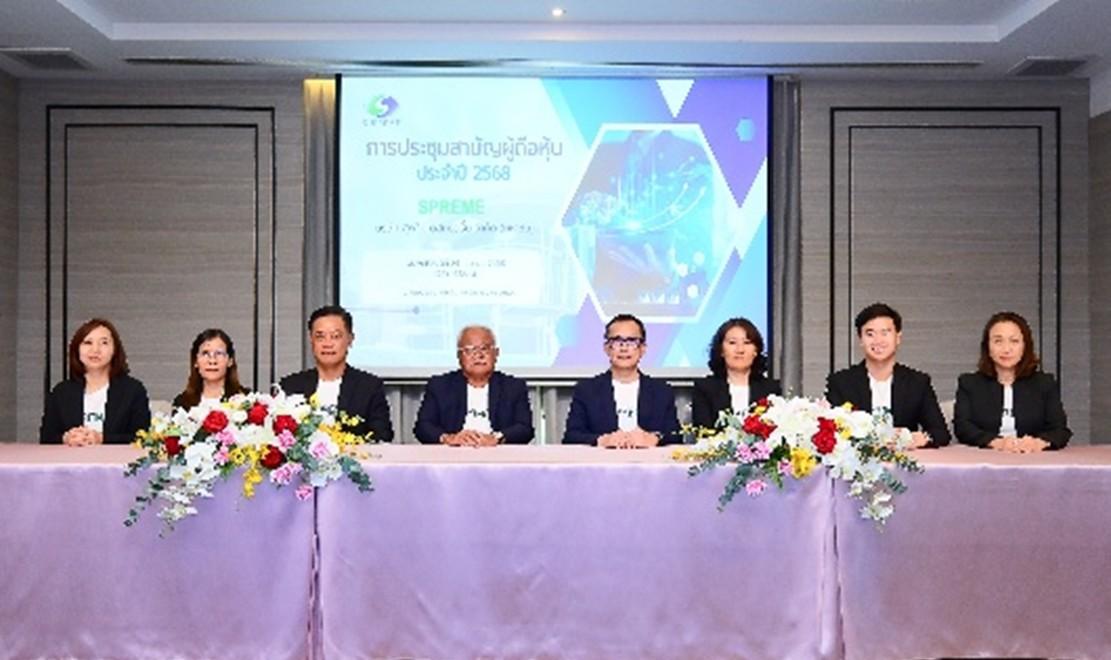
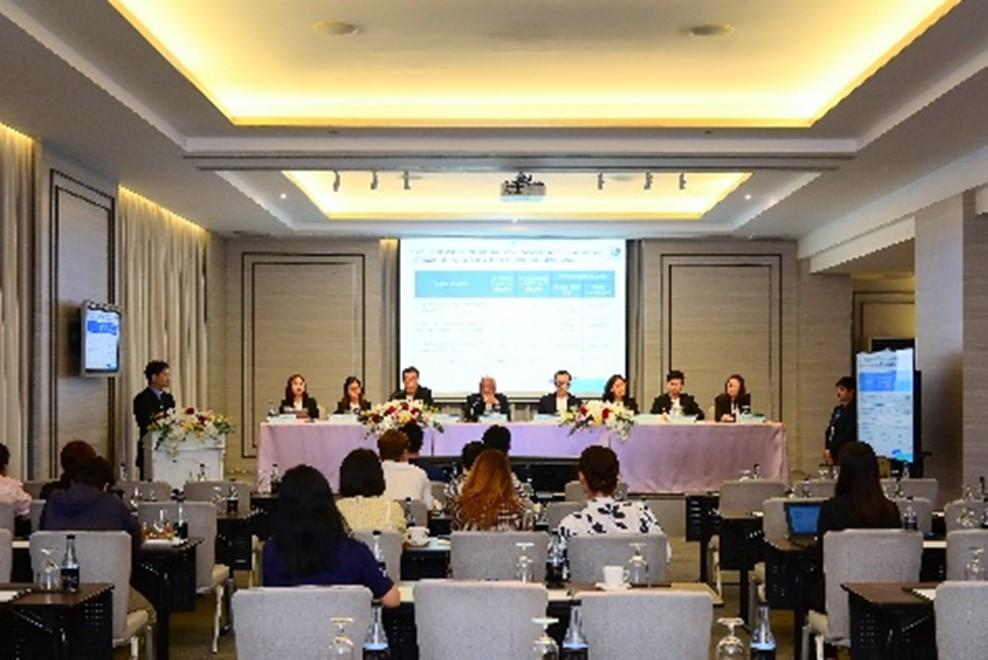
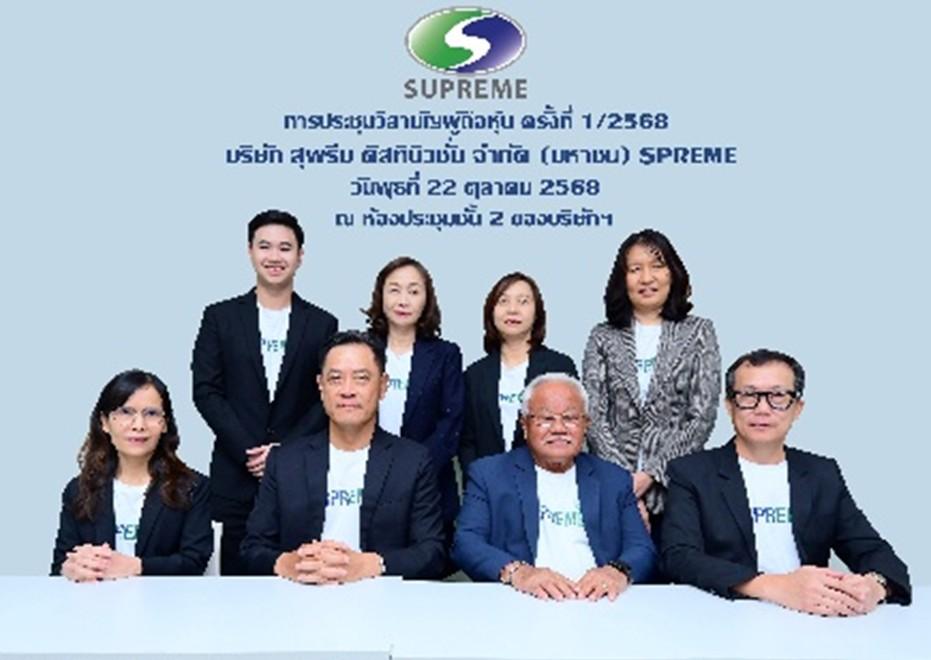
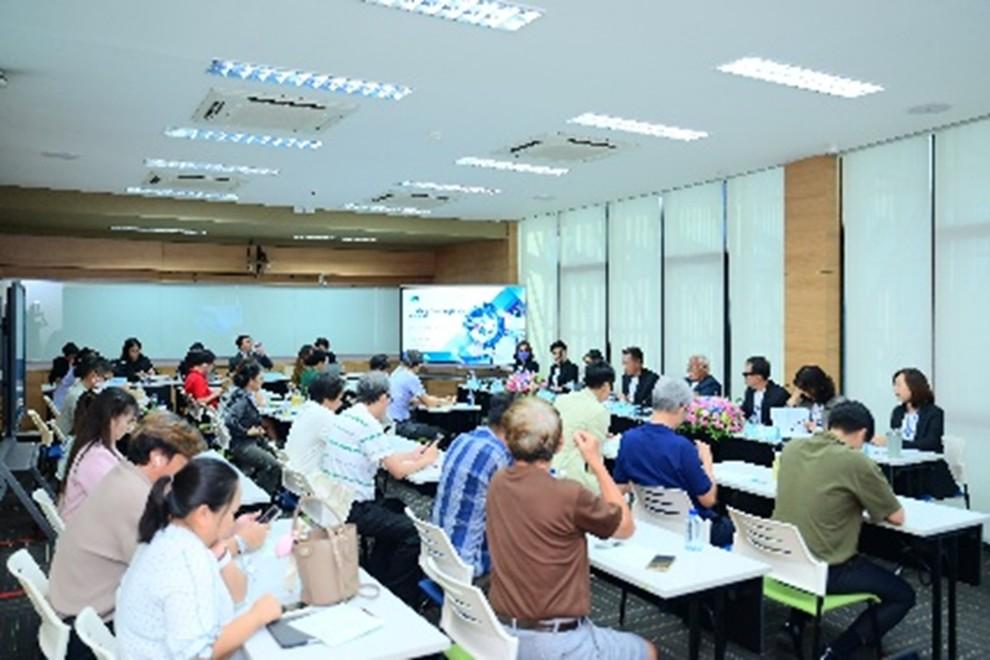
The Company has a policy to promote and facilitate shareholders, including institutional investors, in attending shareholders' meetings. The Company stipulates that an Annual General Meeting of Shareholders shall be held once a year within 4 months from the end of the Company's fiscal year, with the date, time, venue, and method not posing obstacles to attendance, to enable shareholders to participate in monitoring the Company's performance. In cases where there is an urgent need to propose a special agenda item that affects or relates to the interests of shareholders or involves conditions or regulations, or applicable laws requiring shareholder approval, the Company will convene an Extraordinary General Meeting of Shareholders on a case-by-case basis. In 2025, the Company held its Annual General Meeting of Shareholders for 2025 on April 24, 2025, at 2:00 PM, at the Hole in One Meeting Room, Phothalai Leisure Park, Bangkok, and held the Extraordinary General Meeting of Shareholders No. 1/2025 on October 22, 2025, at 2:00 PM, at the Company's meeting room, in the format of a physical meeting, with details as follows:
Before the Shareholders' Meeting
Shareholders' Meeting Day
The Company has attached the biographical information of the aforementioned independent directors in the notice of meeting for shareholders' consideration.
Regarding the voting method for each agenda item, the Chairman of the meeting will request shareholders or proxy holders who disagree or abstain to sign the ballot paper, and staff will collect these ballots to record the dissenting and abstaining votes. Shareholders who agree should sign the ballot paper, and staff will collect all ballot papers after the meeting concludes.
Extraordinary General Meeting of Shareholders No. 1/2025
Voting and Vote Counting
After the Meeting
2) Equal Treatment of Shareholders The Board of Directors recognizes its duty to ensure fair and equal treatment of all shareholders, including executive shareholders, non-executive shareholders, foreign shareholders, and minority shareholders. The Company has established a shareholders' meeting process that supports equal treatment for all shareholders, with details appearing in the "Right to Attend Shareholders' Meetings" section above. In addition, the Company has established measures to prevent directors and executives from using inside information for improper personal gain or for the benefit of others (Abusive Self-Dealing). The Company also requires directors and executives to disclose information regarding their interests and those of their related persons. The practices are as follows:
In 2025, the Company did not violate or fail to comply with any regulations related to treasury stock transactions, the obstruction of shareholder communication, or the non-disclosure of shareholder agreements that may significantly affect the Company or other shareholders. |
| Employee | The Company is committed to diligently managing human resources by complying with various labor laws and regulations, as well as adhering to human rights principles, to care for employees based on equality, fairness, and inclusivity, as outlined in the following key practices:
|
| Customer |
|
| Business competitor |
Furthermore, in the past year 2568, no lawsuits or disputes between the company and its trade competitors were found. |
| Business partner |
Throughout the year 2025, the Company did not receive any complaints regarding the violation of customer personal data. |
| Creditor |
|
| Government agency |
|
| Community and society |
|
Code of Conduct
Has a Business Code of Conduct
Yes
Code of Conduct Description
The company conducts its business under sound ethical principles, committed to its responsibility towards stakeholders, emphasizing transparent, honest, and strictly compliant business operations with relevant laws, regulations, and requirements. The Board of Directors has overseen the establishment of the company's business ethics to serve as a framework, guideline, and standard of conduct that all levels of company personnel, including the Board of Directors, executives, and employees, should adhere to and practice in their business operations and work to ensure consistency.
All company personnel are obligated to strictly adhere to the business ethics, upholding their duties as good citizens, possessing a good conscience, conducting business responsibly, and considering the benefits and impacts of operations on stakeholders. The Board of Directors and management serve as leaders and good role models in performing their duties with integrity, fairness, transparency, and accountability, to promote ethical values, honesty, and responsibility as part of the organizational culture.
Furthermore, the Board of Directors mandates regular reviews of the practices within the business ethics, assigning relevant management departments to propose appropriate guidelines before submitting them to the Board for consideration and approval. This ensures that the company's business ethics are comprehensive, suitable, and consistent with good corporate governance principles at both national and international levels.
The company's business ethics were last reviewed in 2025 and remain sufficient and appropriate for use as a guideline for current business operations.
The company has business ethics and a Code of Conduct for business operations. The main components are ethics and business conduct in various aspects, and the management of ethics and business conduct. The key points can be summarized as follows:
Business Ethics
-
Adherence to the Rule of Law:
The company adheres to the rule of law in its business operations, stipulating that directors, executives, and employees must acknowledge and be aware of the company's regulations, relevant laws, as well as future laws and regulations that will affect their administration and work.
-
Transparency:
The company's decisions and operational methods must be transparent, free from corruption, and capable of disclosing information to all stakeholders for their awareness and verification, in accordance with relevant laws, regulations, rules, and company procedures concerning the prevention of trade secrets from leaking to any other individual or legal entity.
-
Commitment to Fairness and Integrity:
The company is committed to fairness and integrity with stakeholders to foster continuous good relationships in business operations, and does not discriminate unfairly against anyone based on personal judgment or relationships, providing equal opportunities without distinction of race, nationality, religion, or gender.
-
Customer Focus:
The company focuses on building customer satisfaction and confidence, and providing efficient services to meet customer needs to the highest extent, as well as maintaining good long-term relationships. Furthermore, the company develops personnel to serve customers by providing training and knowledge to employees before commencing duties, and continuously enhancing their skills to deliver the best possible service to customers.
-
Shareholder Rights and Equality:
The company has a policy to conduct business with integrity and ethics, and will make every effort to develop the enterprise for growth and to generate good returns for shareholders continuously and sustainably, adhering to the principle of treating shareholders equally.
-
Responsibility towards Society and the Environment:
The company has established guidelines to demonstrate its responsibility towards society and the environment, which include: 1) Good corporate governance, 2) Fair business practices, 3) Respect for human rights and fair treatment of labor, 4) Responsibility towards stakeholders, 5) Responsibility towards stakeholders in co-developing communities and society, 6) Environmental conservation, 7) Innovation and dissemination of innovations from social responsibility initiatives, and 8) Preparation of social and environmental reports.
Communication and Promotion of Compliance
The company emphasizes communication and promotion to ensure that directors, executives, and employees at all levels possess knowledge, understanding, and adherence to good corporate governance principles and business ethics. This involves continuous communication and instilling important practices such as the use of inside information, conflicts of interest, and anti-corruption.
The company has incorporated good corporate governance and business ethics content into its new employee orientation process. In the reporting year, 100% of new employees received complete communication and training.
Additionally, the company has disseminated its corporate governance policies and practices through the Drive Share system of Microsoft Teams To ensure that directors, executives, and employees at all levels have comprehensive access to information, and to publish it on the company's website for transparency and disclosure to stakeholders.
In 2025 No instances of misconduct by the company's directors, executives, or employees related to violations of business ethics or corruption have been found.
Code of Conduct Link
https://www.supreme.co.th/storage/document/cg/spreme-code-of-conduct-th.pdf
Page Number in Report
หน้า 5-9
Code of Conduct Practices
| Guideline | Detail |
|---|---|
| Prevention of Misuse of Inside Information | The Company recognizes the importance of conducting business with integrity, transparency, and accountability, which are principles of good corporate governance and enhance organizational efficiency. Therefore, the Company has established a policy requiring directors, executives, and employees to avoid any actions that may conflict with the Company's interests, which may arise from interactions with the Company's business associates, such as customers, partners, etc. , Using Company opportunities or inside information for personal gain , Transactions with the Company and engaging in businesses that compete with the Company, which may result in the Company's loss of benefits. In cases where such transactions are necessary and unavoidable, the Company will ensure that they are conducted with transparency and fairness, as if dealing with general external parties, taking into account the Company's best interests and fairness to all stakeholders. Guidelines To prevent conflicts of interest, the Company has established the following guidelines:
Review of Conflict of Interest Transactions
Monitoring and Supervision of Policy Compliance The Company has continuously communicated and fostered understanding of the policy among directors, executives, and employees through various channels, such as electronic mail (E-mail). The internal file sharing system (Microsoft Teams) and the Company's website are used to ensure that directors, executives, and employees have comprehensive access to information. Furthermore, the Company requires the Company Secretary to regularly review the interest disclosure reports of directors and executives annually, to present this information to the Board of Directors for acknowledgment, and to disclose such information in the Company's annual report. Furthermore, for transactions that may involve conflicts of interest, the Company mandates that the Audit Committee plays a crucial role in the review process. All such transactions must first be considered by the Audit Committee to ensure compliance with the criteria of the Securities and Exchange Commission and the Stock Exchange of Thailand, that they are appropriate, fair, in accordance with general trade conditions, and in the best interest of the Company, before being presented to the authorized approver. Violation of such policies or guidelines is considered a breach of the Company's good corporate governance policy and business ethics, which may result in disciplinary action in accordance with the Company's human resource management regulations. The Company places importance on strict communication, supervision, and inspection to prevent such policy and guideline violations. In 2025, the Company found no actions in violation of relevant regulations, nor were there any whistleblowing reports or complaints regarding conflicts of interest that contravened regulatory guidelines. The Company has continuously monitored, reviewed, and supervised compliance with related policies and guidelines to ensure that the Company's operations are transparent, fair, and in line with good corporate governance principles. |
| Anti-corruption | The company has established a written anti-corruption policy and has continuously adhered to it since 2022. It is reviewed annually, with the latest review conducted on February 21, 2025, to demonstrate the company's stance and commitment to combating all forms of corruption, whether direct or indirect, in accordance with a policy that completely prohibits giving and receiving bribes, as well as all forms of corruption, to achieve good corporate governance principles and sustainable development guidelines. Anti-Corruption Policy Company personnel are prohibited from soliciting, engaging in, or accepting any form of corruption, directly or indirectly, whether for their own benefit, family, friends, or acquaintances. It is their strict duty to comply, covering all company stakeholders, to ensure that the company conducts business according to good corporate governance principles and has effective measures to prevent risks arising from fraud and corruption. Protection for those who refuse corruption and review. The company has no policy to demote, punish, or take any negative action against personnel who refuse to engage in corruption, even if such refusal results in the company losing benefits or business opportunities. To achieve this objective, the company will regularly review the implementation of this policy and guidelines, as well as the processes for reviewing procedures, approaches, control measures, and operational requirements, to ensure compliance with prevailing circumstances, business changes, regulations, and relevant laws. Roles and Responsibilities To ensure concrete clarity in the oversight of anti-corruption efforts, to guarantee strict adherence within the organization, and to assign responsibility for monitoring anti-corruption operations, the company has defined the following roles and responsibilities:
Guidelines The company conducts its business with caution and transparency for the utmost benefit of shareholders and all stakeholders. Therefore, this policy is established as a guideline for the company's personnel as follows:
2.1 Personnel must comply with the anti-corruption policy and measures, and adhere to Thai laws regarding anti-corruption. Failure to comply with this policy will result in disciplinary action and legal proceedings as appropriate. 2.2 Responsible for monitoring and preventing corruption within the company. If any act of corruption or an act that may lead to corruption is observed, it must be immediately reported to the supervisor or through the whistleblowing channels designated by the company. 2.3 Must immediately report to the Board of Directors in the event of or suspicion of serious corruption, practices violating the law, or other unusual actions that could significantly affect the company's reputation and financial standing. 2.4 The details of the whistleblower must be kept confidential. Whistleblowers who act with good faith towards the company and with integrity, including those who refuse to engage in corrupt practices, will be protected by the company and will not suffer any adverse consequences from such actions. 2.5 Personnel should avoid actions that may lead to conflicts of interest with the company and strictly adhere to the conflict of interest policy and guidelines as stipulated in the business ethics and practices. 2.6 Personnel should avoid giving or receiving gifts, souvenirs, assets, or any other benefits, or providing or accepting meals or entertainment, as such actions may pose a risk leading to fraud and corruption. In unavoidable circumstances, appropriate discretion should be exercised, taking into account customs, laws, relevant regulations, and announcements, and must be carried out with caution and in accordance with this policy and guidelines, or other related policies as announced by the company.
Monitoring and Oversight of Policy Compliance In 2025 The company is committed to combating all forms of corruption, strictly adhering to its anti-corruption policy, as well as relevant laws, regulations, and requirements. The company has communicated this policy to directors, executives, and employees at all levels. In addition, the company provides mandatory anti-corruption training and knowledge assessments regularly every year through its Knowledge Management: KM) and stores documents and learning materials in Microsoft Teams. To ensure that all personnel can conveniently and continuously access relevant information, policies, and guidelines. Furthermore, the company has designated anti-corruption as one of the key topics in new employee orientation. All new employees must receive training on this matter before commencing work to foster awareness and understanding of the company's practices from the outset of their employment. The company provides channels for complaints or whistleblowing regarding behavior indicative of corruption or misconduct by company personnel, with mechanisms to protect complainants and whistleblowers. It prioritizes keeping the information of complainants and whistleblowers, complaints, and evidence confidential, to demonstrate its commitment to combating corruption as a listed company that must build confidence among shareholders and all stakeholder groups. In addition to internal operations, the company has expressed its intention to join the Collective Action Coalition Against Corruption (CAC). on June 12, 2025, and is currently undergoing the certification process by the CAC. Furthermore, the company continuously communicates its anti-corruption policy and guidelines to customers and business partners. The company regularly monitors and evaluates the implementation of its anti-corruption policy and measures. The Company Secretary is assigned to oversee, track, and report operational results to the Audit Committee and the Board of Directors on a quarterly basis. In 2025, there were no reported cases of directors, executives, or employees violating or failing to comply with the anti-corruption policy, nor were there any donations or financial support provided to any political parties. The company remains committed to conducting business in accordance with good corporate governance principles. |
| Whistleblowing and Protection of Whistleblowers | The Board of Directors has established measures and processes for receiving whistleblowing reports and complaints regarding actions that may violate the law, non-compliance with the code of conduct, or behavior that may indicate corruption or misconduct by personnel within the organization, from both employees and other stakeholders, including cases related to inaccuracies in financial reports or deficiencies in internal control systems. This is to provide an opportunity for stakeholders to effectively participate in overseeing the company's interests. The company has clearly defined the channels for whistleblowing and complaints as follows: Scope of Whistleblowing and Complaints When there is doubt, belief, or reasonable grounds to believe in good faith that there has been dishonest or non-transparent conduct, or a violation of good practices regarding
Protection for Complainants
Channels for submitting complaints are as follows: Complaints related to whistleblowing on corruption or ethical violations 1) Direct whistleblowing and complaints to 1.1 Chairman of the Audit Committee 1.2 Chairman of the Board 1.3 Company Secretary 2) Via email 2.1 Chairman of the Audit Committee : [cae@supreme.co.th] 2.2 Chairman of the Board : [president@supreme.co.th] 2.3 Company Secretary : [secretary@supreme.co.th] 3) Via the Company's website www.supreme.co.th 4) By post: Send directly to the Chairman of the Board or the Chairman of the Audit Committee of Supreme Distribution Public Company Limited, 2/1 Soi Praditmanutham 5, Praditmanutham Road, Tha Raeng Subdistrict, Bang Khen District, Bangkok 10230. Complaints not related to whistleblowing on corruption or ethical violations 1) Suggestion and complaint box within the Company 2) Direct whistleblowing and complaints to 2.1 Trusted supervisors at all levels 2.2 Human Resources and Administration Department 2.3 Company Secretary 2.4 Chairman of the Audit Committee 2.5 Chairman of the Board 3) Via email 3.1 Chairman of the Audit Committee : [cae@supreme.co.th] 3.2 Chairman of the Board : [president@supreme.co.th] 3.3 Company Secretary : [secretary@supreme.co.th] For all whistleblowing and complaint channels, the Company Secretary will be responsible for coordinating, receiving, forwarding, tracking investigation results, and compiling cases. The whistleblowing information will be sent directly to the specific person responsible for this matter, namely the Chairman of the Audit Committee, for appropriate action. This is to ensure that whistleblowers are confident that the information and matters reported will be handled and protected by those directly responsible. Furthermore, the Company has established a mechanism to protect whistleblowers who participate in overseeing the Company's interests. Employees who refuse corruption will not be demoted, punished, or subjected to negative consequences, even if such actions result in the Company losing business opportunities. Further details are provided in Clause 8.1.4. Subject: Whistleblowing |
| Preventing the Misuse of Inside Information | Policy on Preventing and Overseeing the Use of Company Inside Information for Personal Gain The Board of Directors oversees the establishment of a policy on preventing the use of inside information for personal gain, which includes written guidelines for safeguarding and preventing the use of inside information. This ensures that the Company's operations are conducted with honesty, integrity, and fairness to all stakeholders, and do not result in benefits for any specific individual or group. Therefore, the Company has established the following guidelines for preventing the use of inside information:
Penalties The Company imposes disciplinary penalties for violations involving the use of Company inside information for personal gain. Violators will face severe disciplinary action or termination without compensation, legal prosecution, and will be liable to compensate the Company for actual damages incurred, depending on the severity of the offense. Monitoring and Supervision of Policy Compliance
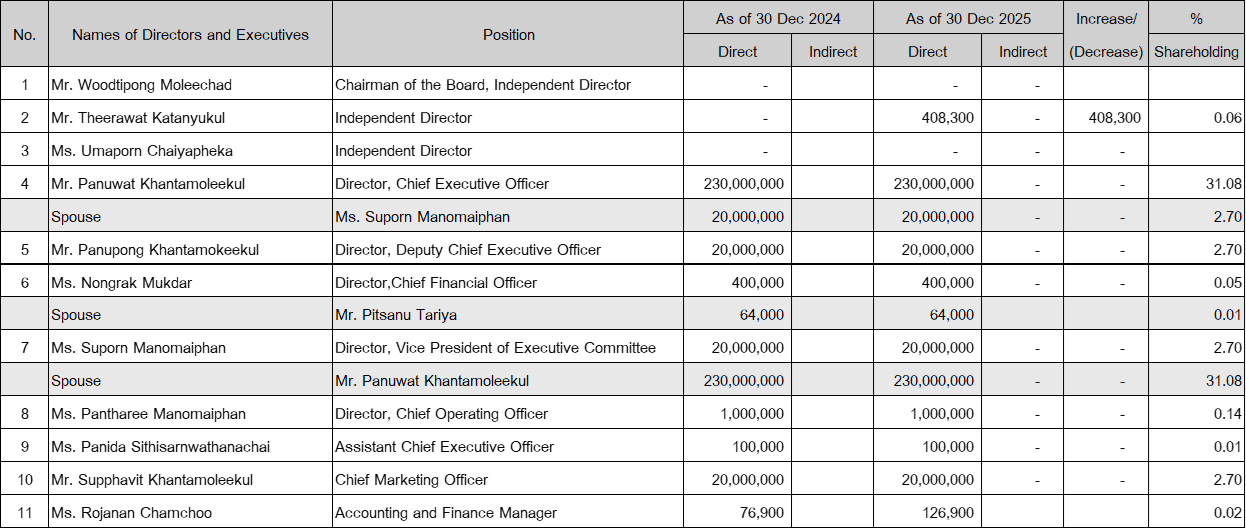
The Company has not found any misconduct, nor has it received any tips or complaints regarding the use of inside information that violates regulatory criteria and the Company's good corporate governance principles. Securities Holdings of Directors and Executives as of 30 December 2025
|
| Prevention of money laundering | The Company will not accept the transfer or conversion of assets, nor will it support the acceptance of the transfer or conversion of any assets related to criminal offenses, to prevent anyone from using the Company as a channel or tool to transfer, conceal, or disguise the origin of illegally obtained assets. This also includes ensuring that financial transactions and facts, or various assets, are carefully inspected, recorded, accurately, and in accordance with the law. Guidelines for Practice
|
| Giving or receiving gifts, entertainment, or business entertainment | The Board of Directors oversees the establishment of an anti-corruption policy, which covers guidelines regarding the giving or receiving of gifts, hospitality, donations, and the giving or receiving of support in various forms, to ensure that directors, executives, and employees understand and adhere to them appropriately. The Company recognizes that in conducting business, employees may need to be involved in giving gifts or providing hospitality to external individuals or entities related to business operations, to foster good relationships with business partners, customers, or entities that have or may have business relationships with the Company. Therefore, relevant employees must exercise appropriate discretion in each case, without expecting any improper benefits or considerations or those that violate business ethics. Furthermore, the giving or receiving of gifts or hospitality must consider the appropriateness of the form, purpose, the Company's image, the recipient's position, relevant laws, and generally accepted customs, to comply with the Company's good corporate governance policy, business ethics, and other related policies. The Company does not support any actions that contravene these policies or could lead to corruption. |
| Compliance with laws, rules and regulations | Directors, executives, and employees must strictly adhere to laws related to the company's business and the company's internal regulations, and must avoid any actions that could negatively impact the company's business reputation. Guidelines for Practice
|
| Use and maintenance of data and assets | Directors, executives, and employees have a duty to maintain and utilize the company's assets to their fullest benefit solely for the company's operations, and not to use them for the benefit of others or in an improper manner. Guidelines
|
| Anti-competitive | The Company adheres to the rule of law in conducting its business operations. It mandates that directors, executives, and employees must acknowledge and be aware of the Company's regulations, relevant laws, as well as laws and regulations that will be enacted in the future, which affect their management and work. Guidelines
|
| Cyber security | The Company places importance on the governance and management of information technology systems, including computer equipment, peripherals, and network infrastructure, to ensure security, availability, and the ability to support business operations continuously and efficiently, in compliance with applicable laws, standards, and regulations. The Company has established comprehensive policies, guidelines, and measures on information security, covering the definition of roles and responsibilities, access control to systems and data, physical and network security, third-party service provider management, data backup and recovery, as well as continuous monitoring, review, and audit of system usage. These measures aim to prevent and mitigate risks arising from improper use, cyber threats, and data leakage. The Company communicates such policies and guidelines to executives, employees, and relevant parties to ensure strict compliance, with the objective of safeguarding the Company’s information assets in terms of confidentiality, integrity, and availability. In addition, the Company has established dedicated functions and responsible personnel for cybersecurity and personal data protection, including a Data Protection Officer (DPO) and the internal audit function. These functions operate under the oversight of the Audit Committee and the Risk Management Committee to ensure comprehensive governance of IT systems and organizational network security. The performance and effectiveness of such measures are reported to the Risk Management Committee on a quarterly basis. |
| Environmental management | The Company cares about the health and hygiene of its personnel and the surrounding community. The Company aims to promote and build awareness of quality and environmental aspects as a daily way of life for its personnel, for the benefit of everyone, including the community and society as a whole. The Company supports the appropriate use of resources and the reduction of wasteful consumption. Guidelines
|
| Human rights | Respect for Human Rights and Fair Treatment of Labor The company recognizes the importance of respecting human rights and treating labor fairly, which are fundamental to good corporate governance and sustainable development. The company conducts its business based on the principles of respecting human dignity, equality, and non-discrimination, covering employees, customers, business partners, and stakeholders throughout the business value chain. The company complies with relevant laws and accepted human rights standards, and establishes clear guidelines to prevent and mitigate the risk of human rights violations in its business operations, serving as a framework for personnel to work appropriately, fairly, and with mutual respect. Guidelines
|
| Occupational health and safety | The company prioritizes occupational safety and health for employees at all levels, aiming to create a safe, suitable, and health-promoting working environment to prevent potential work-related risks, thereby enhancing employees' quality of life, boosting motivation, and supporting sustainable organizational development. The company promotes employees' knowledge, understanding, and adherence to appropriate workplace safety guidelines, covering basic first aid training, the development and rehearsal of emergency response plans such as fire incidents, and the provision of annual health check-ups to continuously monitor employee health. Furthermore, the company regularly inspects and evaluates the working environment monthly, in accordance with ISO9001 standards, to utilize the evaluation results for improving and developing a more hygienic and safer working environment. Guidelines
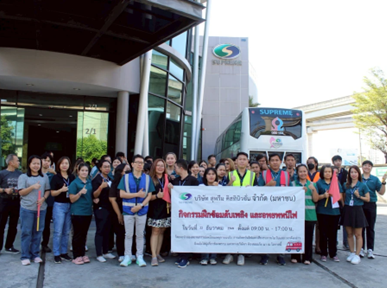
Fire Fighting and Evacuation Drill Activities The company organized basic fire fighting training and fire evacuation drills on December 22, 2025, from 08:30 to 16:30, for all company employees. The training covered both theoretical and practical aspects, including knowledge about fire ignition, the use of various fire fighting tools and equipment necessary in the workplace, basic first aid, fire evacuation plans and methods, as well as practicing fire evacuation according to the established plan to enhance employees' knowledge, skills, and readiness to handle emergency situations, reduce risks of danger, and strictly comply with safety laws and regulations.
|

Promoting Compliance with the Code of Conduct
Promotes Compliance by Directors, Executives and Employees
Yes
Description
The Board of Directors has established a corporate governance policy and business ethics. Which comprises the employee code of conduct and business ethics. Comprising good principles and practices to guide directors in performing their duties and conducting business. All executives and employees are to adhere to, in accordance with good corporate governance principles, and prioritize respecting rights and treating all stakeholder groups equally. Fair Transparent and verifiable
Anti-Corruption Networks & Projects
Introduction
The Company submitted its letter of intent to join the Thai Private Sector Collective Action Against Corruption (CAC) project on June 12, 2025, and subsequently submitted documents for certification to CAC in December 2025. The application is currently undergoing the certification review process by CAC, with the certification expected to be received by the end of the first quarter of 2026.
Joined or Declared Intent to Join Anti-Corruption Networks
Yes
Networks & Projects Joined
| Network / Project | CAC Certified |
|---|---|
| Thai Private Sector Collective Action Against Corruption: CAC | N |
| United Nations Global Compact (UNGC) | |
| Participation of anti-Corruption networks and initiatives |
Material Changes & Developments in CG
Reviewed the CG Policy or Board Charter in the Past Year
Yes
Material Changes or Developments in the Past Year
Yes
Policy Review — Description
Determination of the Company’s Vision, Mission, and Strategy
The Board of Directors reviews the Company’s vision and mission on an annual basis to ensure alignment with the direction, objectives, and strategies for future business operations. In 2025, at the Board of Directors’ Meeting No. 8/2025 held on November 13, 2025, the Board collectively reviewed and approved the Company’s vision, mission, and operational strategies.
In this regard, the management and employees share common goals in the same direction, ensuring that the Company’s operations are conducted efficiently and in the best interests of the Company and its shareholders.
Furthermore, the Board of Directors has approved the Company’s business plan and budget, which had been reviewed and endorsed by the Executive Committee. The Board also continuously monitors the performance against such plans, while the management is responsible for tracking and reporting the progress of operations and the Company’s financial performance to the Board of Directors on a quarterly basis.
Review and Improvement of Company Policies and Practices
The company has reviewed, amended, and improved various policies and practices to align with good corporate governance principles, such as reviewing the good corporate governance policy, updating the business ethics code, anti-corruption policy, charters of the Board of Directors and sub-committees, as well as the risk management policy, among others.
Assessment and Management of Corruption and Bribery Risks
The company is in the process of joining the Collective Action Against Corruption of the Thai Private Sector. It has prepared a corruption risk assessment form and presented the assessment results to the Risk Management Committee, Audit Committee, and Board of Directors, respectively. Additionally, the company regularly reviews its internal control processes and operational procedures to help mitigate potential risks and impacts.
Promoting Adherence to Good Corporate Governance Principles Among Personnel
The company promotes adherence to good corporate governance principles among directors, executives, and employees at all levels. It requires annual preparation of declarations of interest and conflict of interest reports, and employees are required to sign an acknowledgment and adhere to the business ethics code and anti-corruption policy.
Communication and Knowledge Building on Business Ethics and Anti-Corruption
The company has continuously communicated and provided knowledge to all directors, executives, and employees, covering corporate governance, prevention of insider trading, prohibition of seeking benefits from inside information, prevention of conflicts of interest, as well as policies and guidelines for anti-corruption, which include monetary donations, sponsorships, facilitation payments, giving or receiving gifts, hospitality, and conflicts of interest.
Furthermore, the company has communicated duties, responsibilities, and procedures for addressing corruption, complaints, and whistleblowing through various channels, such as reporting to the Audit Committee and the Board of Directors, email communication via channels specified in the policy, training sessions, and reviewing the curriculum for “Business Ethics and Practices, Anti-Corruption Policy, and Whistleblowing and Complaint Policy for 2025.” Additionally, all directors, executives, and employees are required to participate in annual knowledge reviews and complete tests via the intranet system (KM system), resulting in 100% of the company's personnel being fully aware of and understanding the operational guidelines.
Communication of Business Ethics to Business Partners and Stakeholders
The company has communicated its business ethics and anti-corruption measures to business partners through disclosure on its website and by communicating its no-gift policy to business partners and stakeholders, ensuring that customers and partners are aware and comply.
Furthermore, the company has established transparent procurement processes that align with its anti-corruption policy and consider environmental aspects (Green Procurement). It requires business partners to undergo a pre-qualification process and demonstrate clear operations in sustainability, good corporate governance, and compliance with anti-corruption measures.
Implements the CG Code for Listed Companies
No
CG Code — Description
The company recognizes the importance of Good Corporate Governance, believing that good corporate governance reflects an efficient, transparent, and auditable management system, which helps build trust and confidence among shareholders, investors, stakeholders, and all relevant parties, leading to increased value and sustainable long-term growth for the company.
The Company has continuously promoted and developed its good corporate governance system, with the aim of enabling the Board of Directors and management to elevate corporate governance and adhere to good corporate governance principles in line with international standards. The Company has adopted the good corporate governance principles set forth by the Stock Exchange of Thailand as the primary framework for establishing its corporate governance principles. These principles are regularly monitored, reviewed, and updated to align with the guidelines of the Stock Exchange of Thailand, which may be revised in the future, and to suit the evolving business context and environment.
The Company's good corporate governance principles cover practices in 8 main categories as follows:
Principle 1: Recognize the role and responsibilities of the Board of Directors as organizational leaders who create sustainable value for the business.
Principle 2: Define the main objectives and goals of the business for sustainability.
Principle 3: Strengthen an effective Board of Directors.
Principle 4: Recruit and develop senior executives and human resources management.
Principle 5: Promote innovation and responsible business operations.
Principle 6: Ensure appropriate risk management and internal control systems.
Principle 7: Maintain financial credibility and information disclosure.
Principle 8 Support shareholder engagement and communication.
Other CG Performance & Outcomes
The Board of Directors places great importance and is committed to operating under the principles of Good Corporate Governance, with the aim of ensuring that the Company conducts its business with transparency, good governance, and continuous compliance with regulatory requirements. Due to this dedication, the Company has received high recognition from relevant agencies, including awards and excellent assessment results, as follows:
-
The Company received a perfect score of 100 in the 2025 Annual General Meeting of Shareholders Quality Assessment Project, organized by the Thai Investors Association in collaboration with the Securities and Exchange Commission and the Thai Listed Companies Association. This reflects transparency, completeness of information, and appropriate protection of shareholders' rights.
-
The Company has consistently communicated to enhance knowledge and understanding of business ethics among directors, executives, and employees at all levels, to promote ethical, transparent, and compliant work performance and business operations in line with the Company's good corporate governance policies and practices.
-
The Board of Directors performs its duties with prudence, transparency, and independence, providing candid opinions while considering the best interests of shareholders, investors, and all stakeholders. Furthermore, it plays a crucial role in setting directions, strategies, and overseeing management to ensure that the Company's operations are balanced, efficient, and capable of supporting long-term growth.
-
In addition, the Company also places importance on continuously monitoring, evaluating, and improving its corporate governance processes to enhance stakeholder confidence and support sustainable business development under the principles of good corporate governance.